
Learning the skills you need to drive safely
Discover the 27 skills you’ll develop with your driving instructor, and how to track your progress as you work towards becoming a safe, independent driver.
Learning to drive safely
Learning to drive and practising
Learn about choosing an instructor, practising safely with others, and displaying the correct plates while you learn.
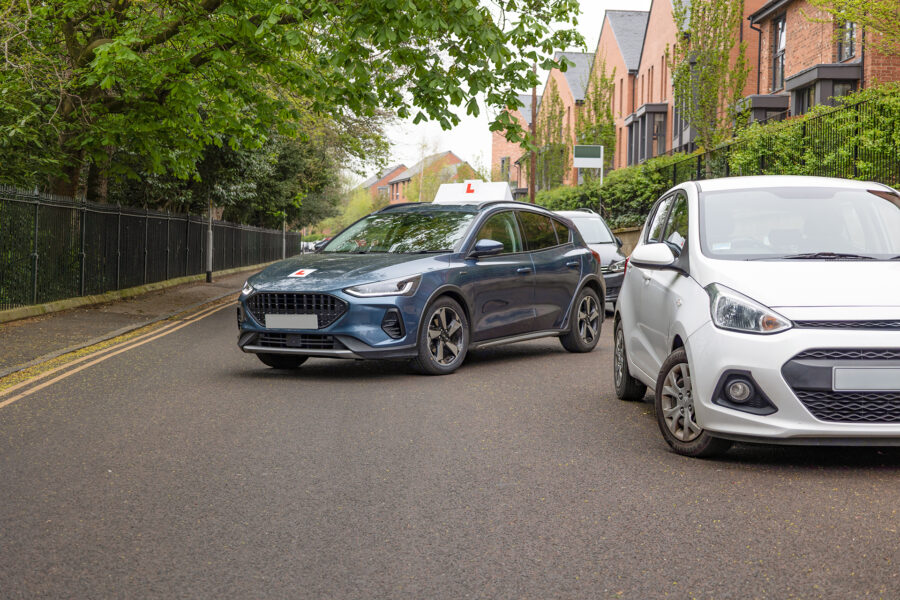
Keep track of your progress learning to drive
Understand the 5 levels of progress for each skill and how to monitor your journey towards being ready for your test.
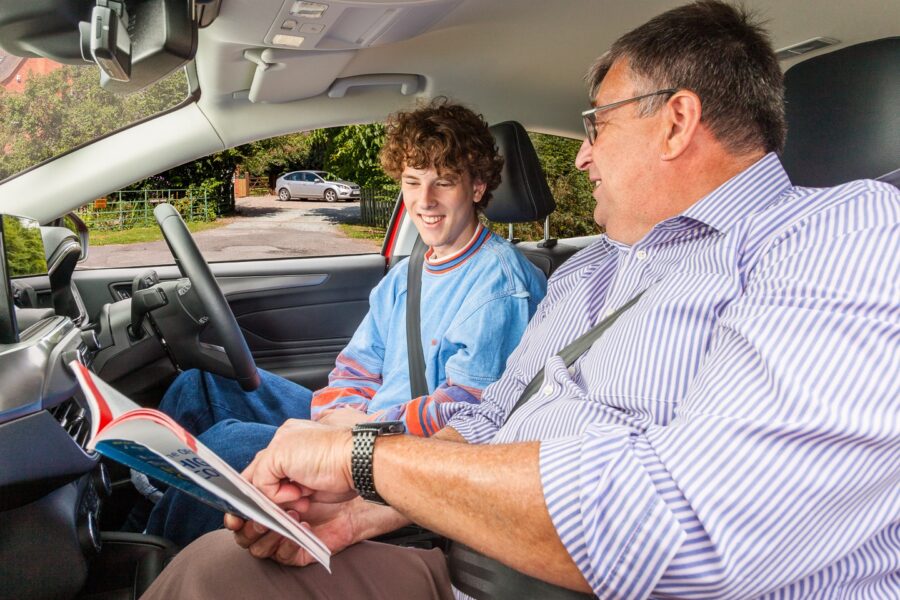
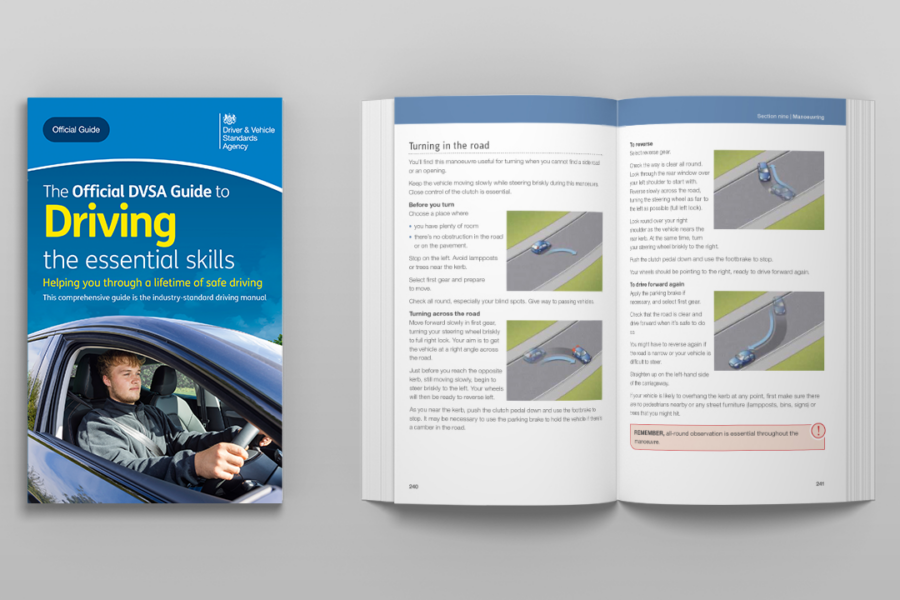
Resources to support your learning
Find official DVSA books and resources to help you develop your skills and get the most from your driving lessons.
The 27 driving skills
Basics (skills 1 to 4)
Learn about the foundation skills every driver needs, including legal responsibilities, safety checks, cockpit checks and vehicle security.

Control and positioning (skills 5 to 7)
Understand how to operate your car’s controls, move away and stop safely, and position yourself correctly on the road.
Observation, signalling and planning (skills 8 to 13)
Develop the skills to use your mirrors effectively, signal clearly, anticipate hazards and drive in a fuel-efficient way.

Junctions, roundabouts and crossings (skills 14 to 16)
Master the techniques for safely navigating junctions, roundabouts and different types of pedestrian crossing.

Manoeuvres (skills 17 to 20)
Build confidence in reversing, turning the car around, parking and making an emergency stop safely and under control.
Road types (skills 21 to 23)
Get ready to drive safely on country roads, dual carriageways and motorways, each with their own challenges.
Driving conditions (skills 24 to 26)
Prepare for driving in the dark, in different weather conditions and when carrying passengers or loads.

Following routes (skill 27)
Learn how to drive independently by following sat nav directions or traffic signs, just as you will after you pass your test.

Not feeling completely prepared?
Only take your driving test if you’re feeling completely prepared.
You can move your driving test back if you’re not feeling quite ready yet.
It’s free to change your appointment time, as long as you do it at least 10 full working days (Mondays to Saturdays) before your test.