Campaign resources
Download digital resources to use on your website or social media to help promote the ‘Ready to Pass?’ campaign, and find out what emails are sent to learners during their learning journey.
‘Ready to Pass?’ checklist
| Preview | Checklist |
|---|---|
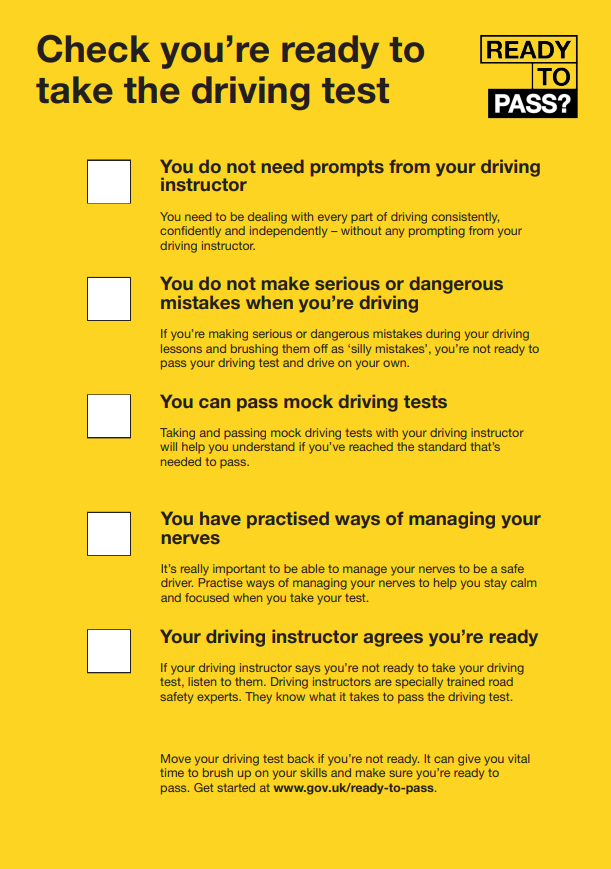 | ‘Ready to Pass? checklist (colour)’ (PDF, 48KB) |
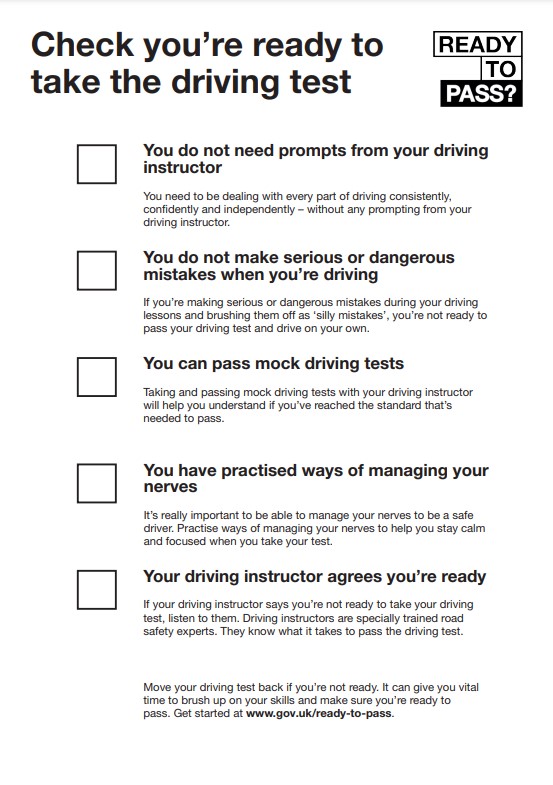 | ‘Ready to Pass? checklist (black and white)’ (PDF, 36KB) |
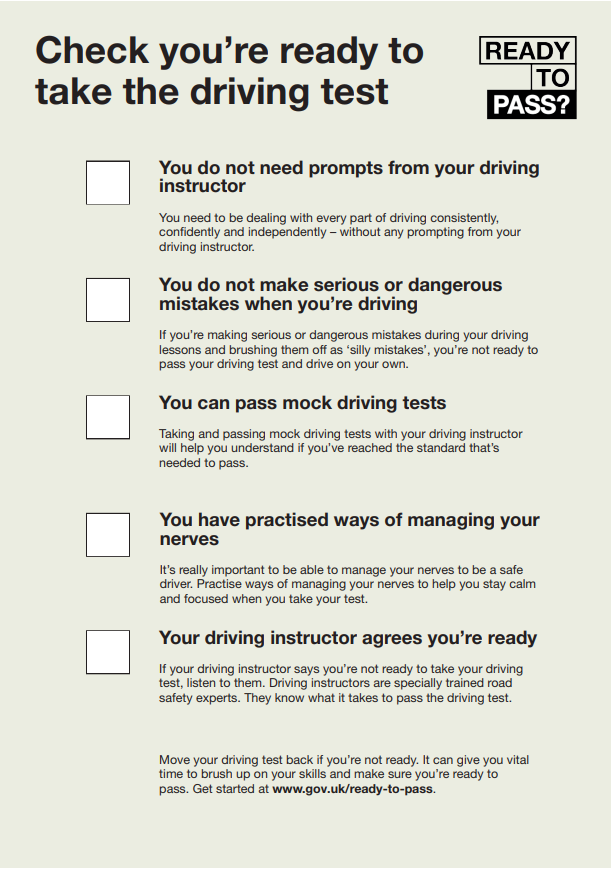 | ‘Ready to Pass? checklist (light background)’ (PDF, 42KB) |
Logo
| Preview | Assets |
|---|---|
 | Ready to Pass? logo – left-aligned (PNG, 39KB) |
 | Ready to Pass? logo – one-line (PNG, 27KB) |
Campaign videos
You can download these videos and then upload them to your social media channels.
Each zip file contains one tall video (1080 x 1920 pixels) – ideal for Facebook or Instagram.
The videos are in the MP4 file format.
The table shows suggested wording and hashtags to use when posting.
| Preview (1080 x 1080 pixel version shown) | Asset and suggested text to use when posting |
|---|---|
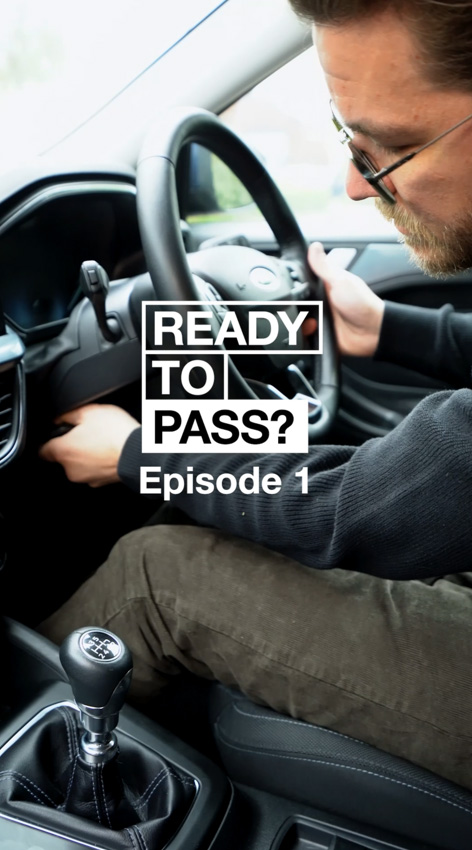 | Episode 1: 27 Driving skills you need (ZIP, 103.4MB) There are 27 driving skills to learn to pass your driving test and be safe driver. Have you learned all these skills? Find out more at www.gov.uk/ready-to-pass or search ‘Ready to Pass’ online. ReadyToPass #DrivingTest |
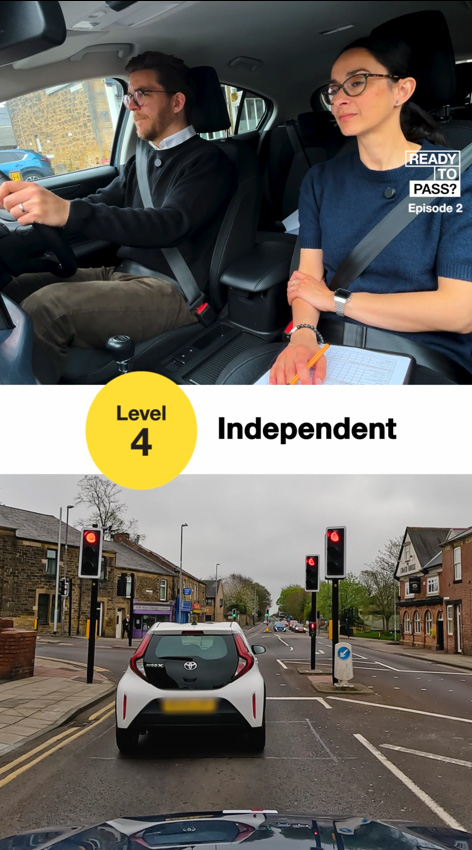 | Episode 2: Tracking your progress (ZIP, 117MB) It’s important to keep track of your progress as you learn to drive. There are 5 levels of progress you need to move through to be ready to take your driving test. Find out more at www.gov.uk/ready-to-pass or search ‘Ready to Pass’ online. ReadyToPass #DrivingTest |
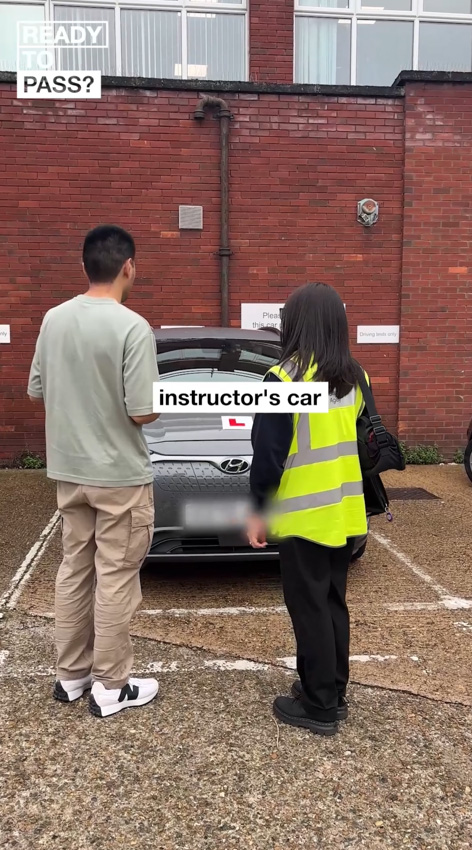 | What to bring to your driving test (ZIP, 99.3MB) When you come for your driving test, it’s important to make sure you bring the right things with you. Make sure you bring: – your driving licence – a car ️- your theory test certificate if you have it Find out more about taking your test at www.gov.uk/ready-to-pass or search ‘Ready to Pass’ online. ReadyToPass #DrivingTest |
 | Video: Are you ready to take your driving test (MP4, 32.4MB) You only get to make 2 changes once you’ve booked, so my advice is to book when you’re ready. That means: • You don’t need prompting from me • You don’t make serious or dangerous mistakes when you’re driving • You can pass a mock test • You have practised ways of managing nerves Let’s make sure you’re properly prepared first. Then when you book, you won’t need to change it. |
Changes to driving test booking rules
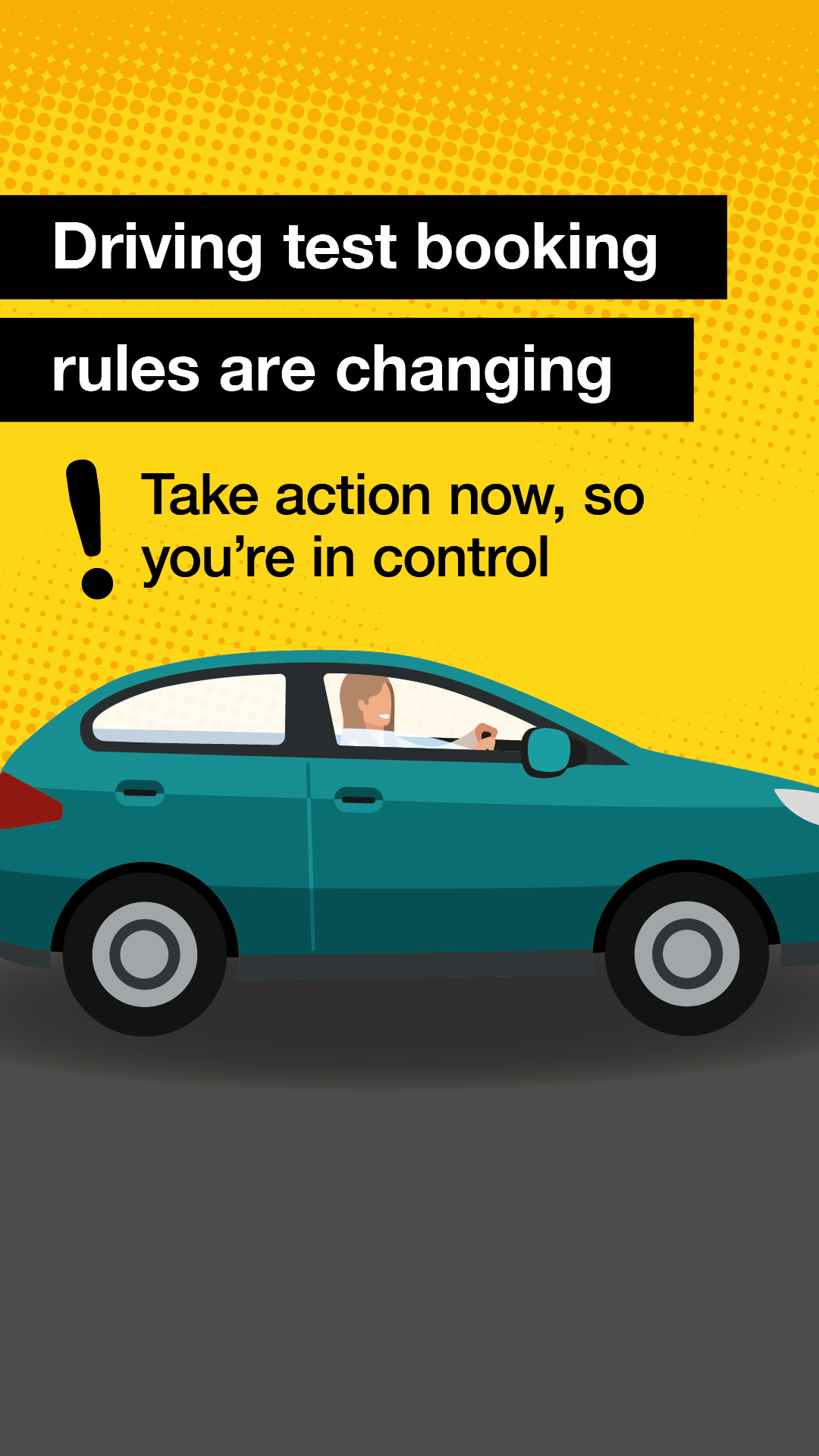
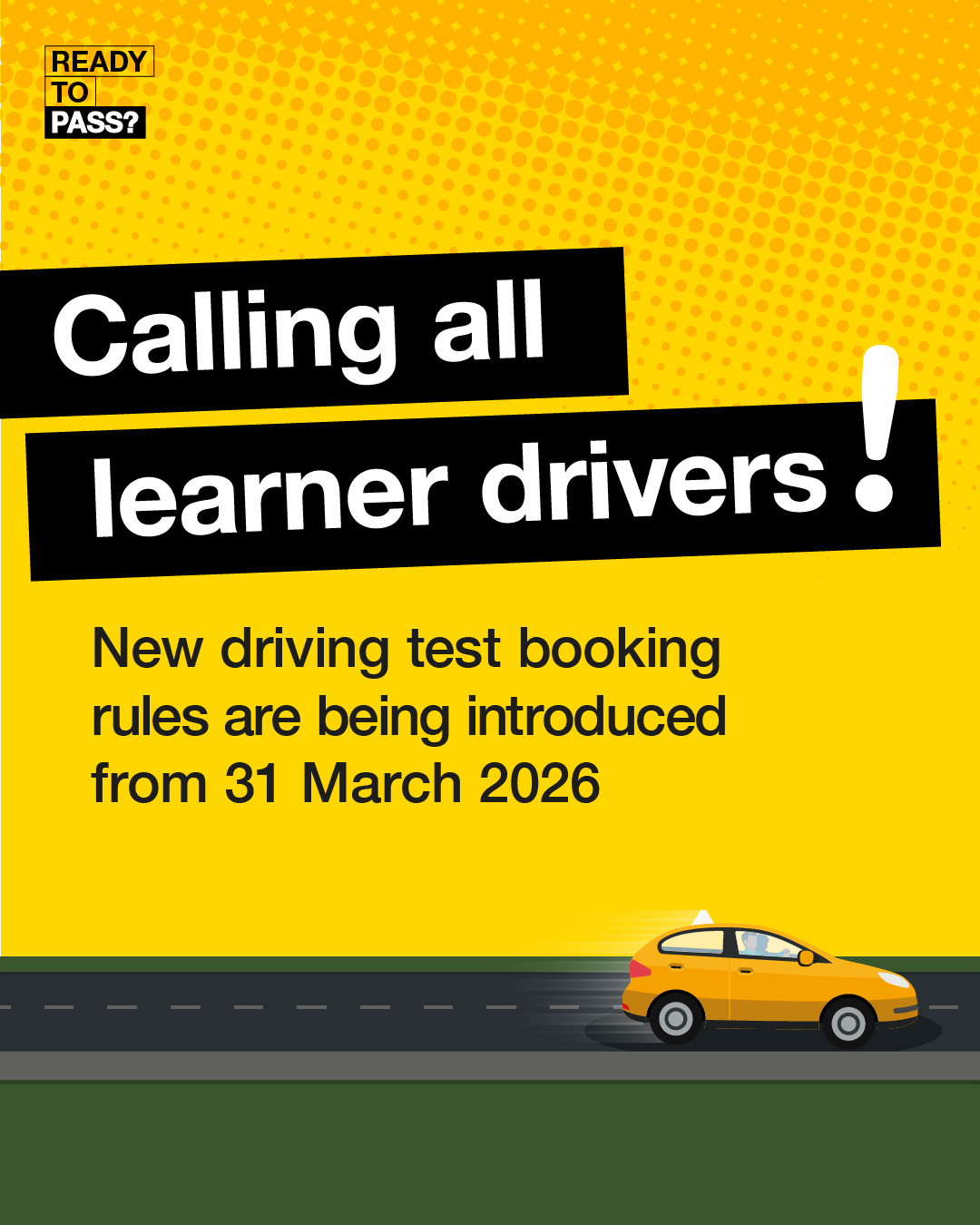
You can download images to use on your social media accounts to promote the changes to driving test booking rules.
| Preview | Asset and suggested text to use when posting the graphic |
|---|---|
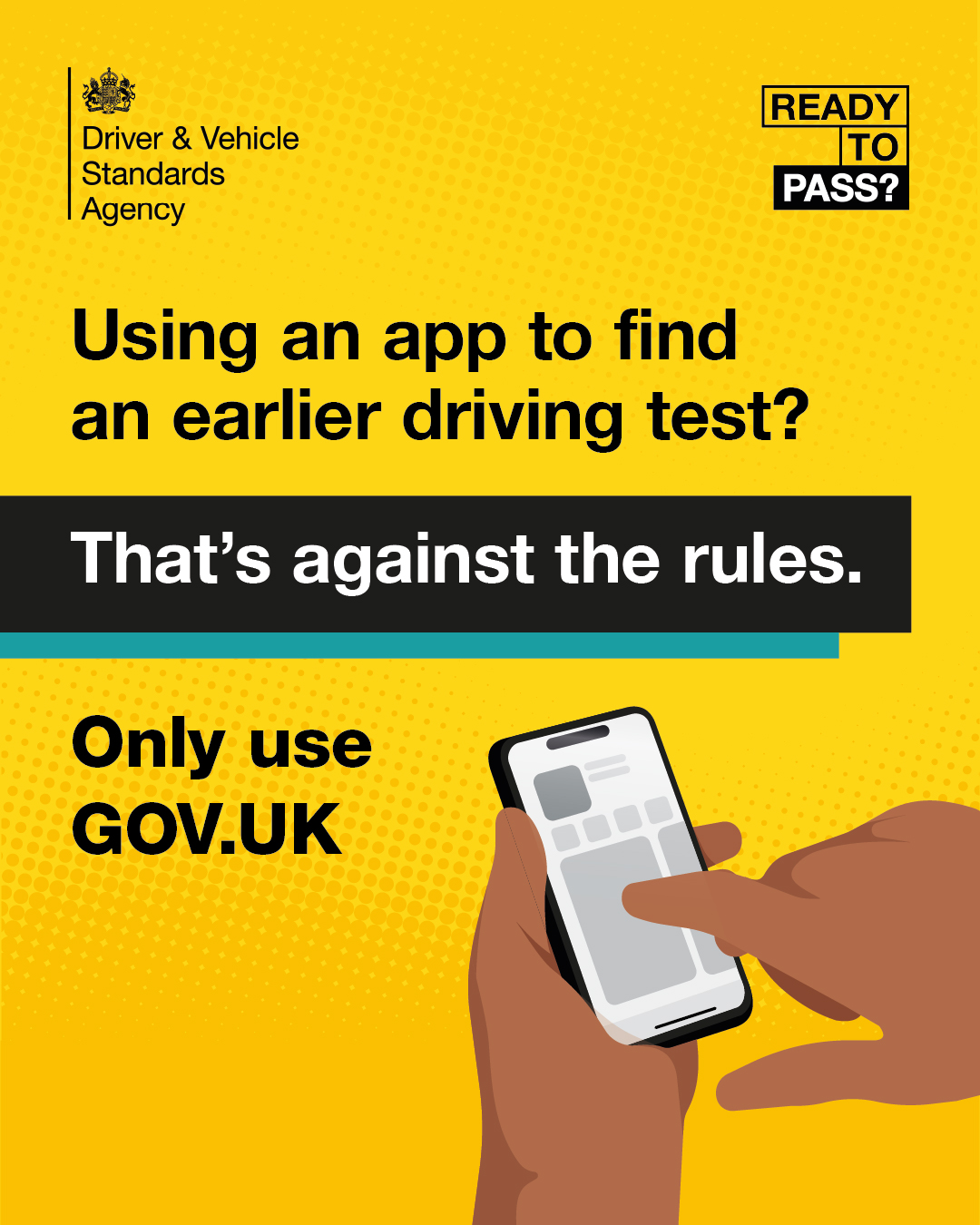 | Image: Using an app to find an earlier driving test? (JPG, 651KB) A quick but important message for my learners. Using an app or bot to find and book an earlier driving test slot is against DVSA’s rules. Your booking can be cancelled if it is flagged, and you will only be able to make changes by phone. Check for earlier slots yourself on GOV.UK. It is the only safe way to do it. Search “book your official driving test” on GOV.UK. Find out more at https://readytopass.campaign.gov.uk/unofficial-driving-test-booking-apps-and-scams/ |
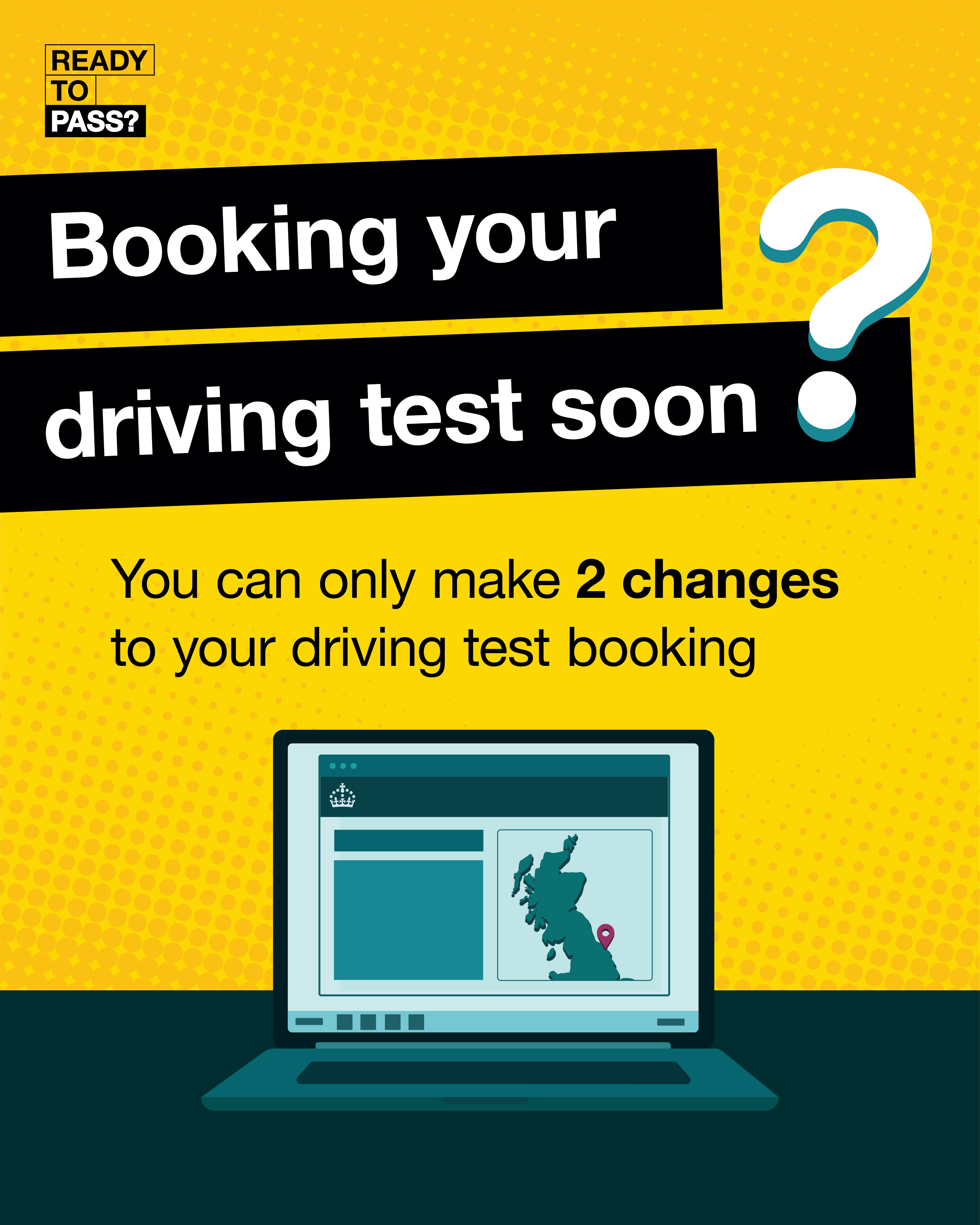 | Image: You can only make 2 changes to your test (JPG, 2.1MB) A reminder that if you’re booking your driving test soon, you only get 2 changes. My recommendation is to book your test for a date when you’ll be ready, and in a location you want to take it. Drop me a message or let’s chat at your next lesson to talk about when the right time is to book. |
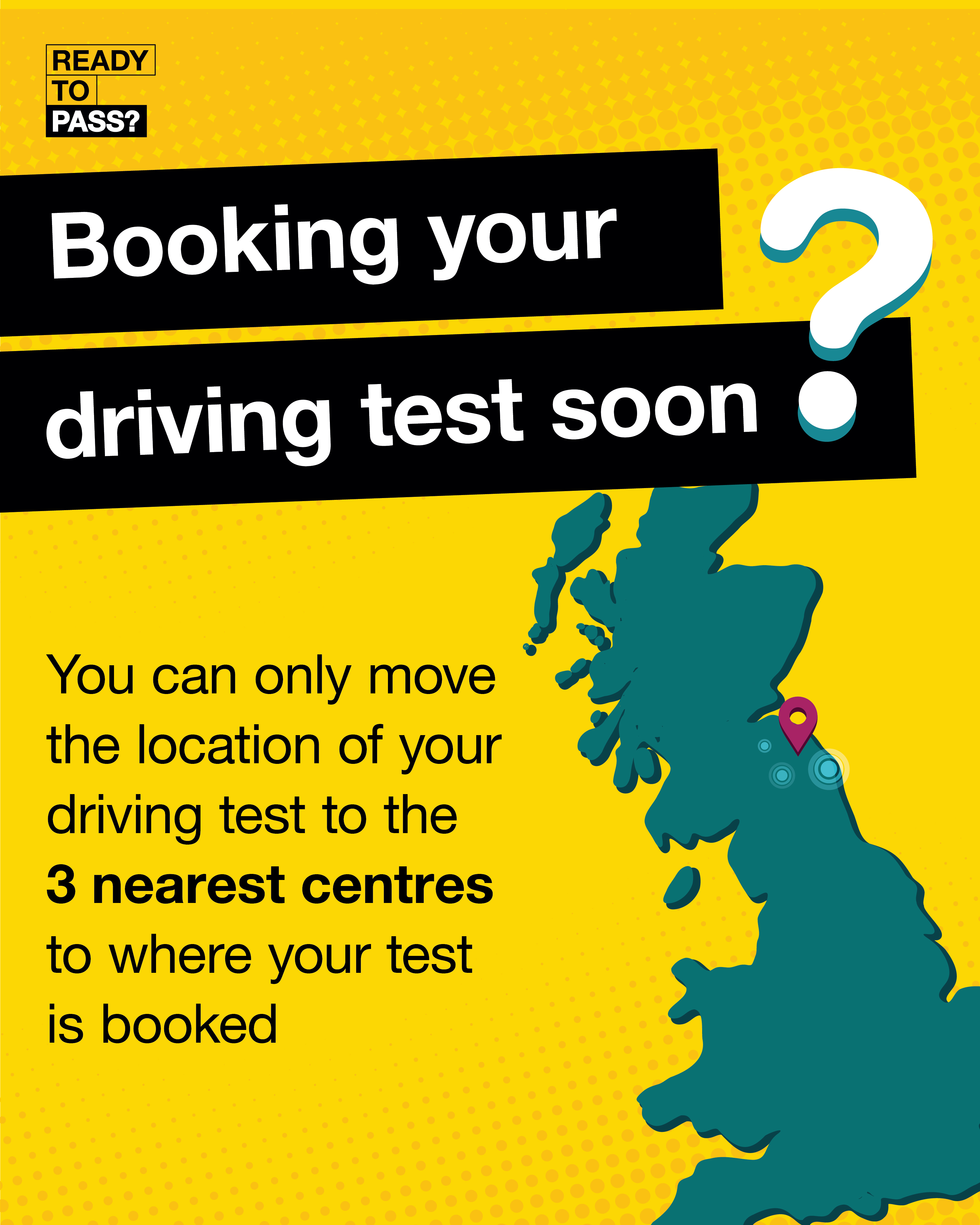 | Image: You can only move your test to the 3 nearest test centres (JPG, 2.3MB) If you’re about to book your driving test, make sure the location works for you before you confirm your booking. You can only move your test to the 3 nearest test centres to where you are booked. Find out more about the locations at https://www.gov.uk/government/publications/check-which-driving-test-centres-you-can-move-your-test-to/check-which-driving-test-centres-you-can-move-your-test-to |
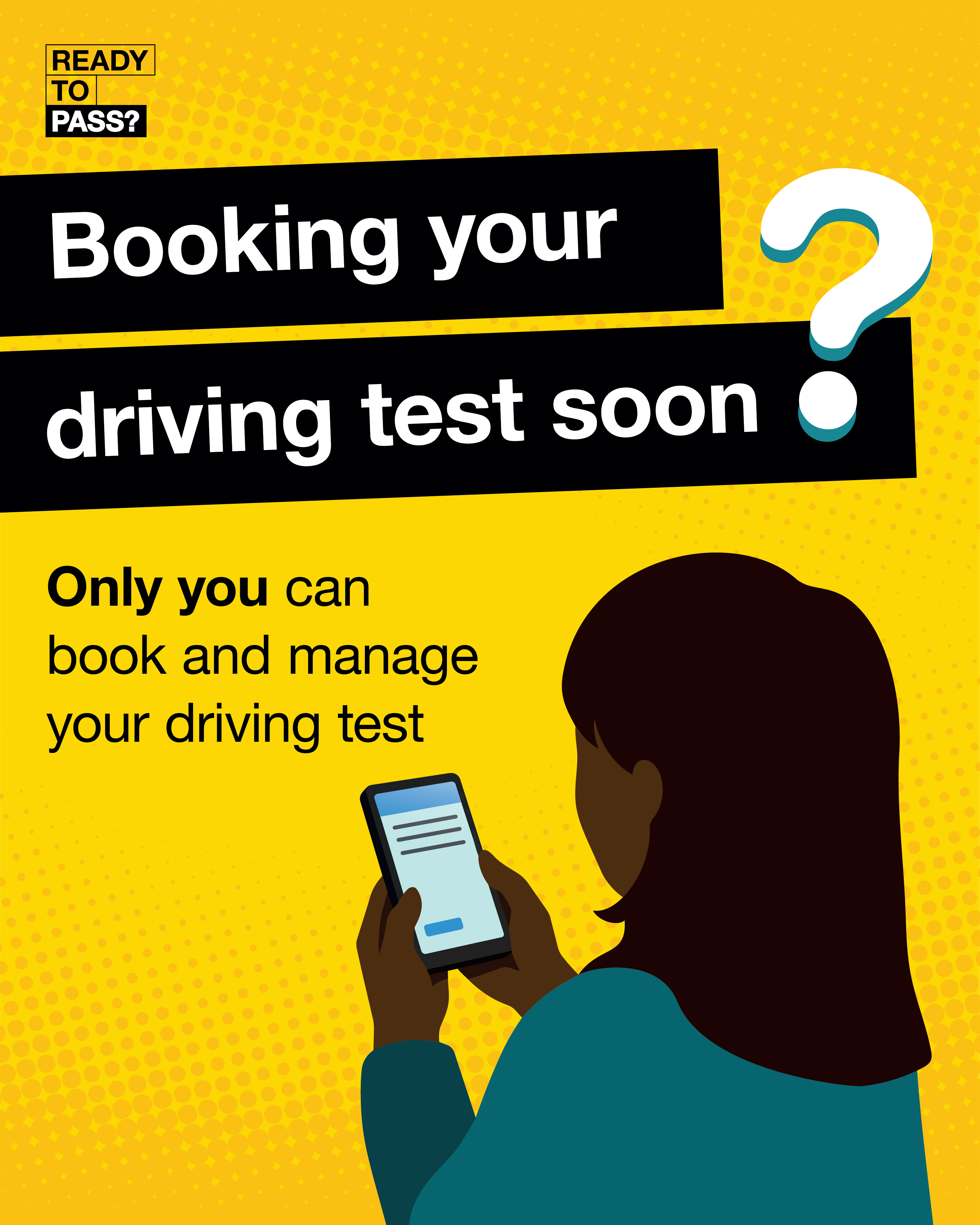 | Image: Only you can book your driving test (JPG, 2.1MB) Did you know that only you can book your driving test? If you need to change, swap or cancel it, you’ll also need to do this yourself. Find out more about the rules for booking your driving test at https://www.gov.uk/guidance/changes-to-driving-test-booking-rules-in-2026 |
Emails sent to learner drivers
Between booking and taking their driving test, learner drivers are sent a number of emails to reinforce the advice you’re giving them.
These are the emails they will receive, and when they will receive them.
Your pupils will also be sent other emails by DVSA, including inviting them to fill in surveys about their experience of learning to drive.
This email is sent 21 to 24 weeks before the learner’s driving test.
Dear (name)
Learning to drive is one of the most important skills you’ll develop in your life. Done well, it will keep you and others safe on the road for decades to come.
Your test is booked, so now is a great time to make sure you’re getting the most from your lessons.
Start with your instructor
Your driving instructor is best placed to guide your learning.
They’ll help you develop the 27 driving skills you need – not just to pass your test, but for a lifetime of safe driving.
Trust your instructor’s advice on when you’re ready to take your driving test.
Keep track of your progress
Each of the 27 skills has 5 levels of progress. You’ll be ready for your test when you’re consistently at level 5 for all of them. Your instructor will help you track where you are.
After each lesson, it can help to ask yourself:
- Which skills felt more confident today than last time?
- Were there any situations where I needed prompting – and why?
- What would I do differently next time?
Sharing your reflections with your instructor is one of the best ways to get the most from your lessons.
Find out about the 27 driving skills you’ll be learning.
Thank you.
Driver and Vehicle Standards Agency
Follow us: DVSA on Instagram | DVSA on YouTube
This email is sent 15 to 18 weeks before the learner’s driving test.
Dear (name)
Learning to drive is a journey, not a race.
Every lesson and practice session builds the skills you will use for a lifetime of safe driving.
Practising between lessons
When you have reached a suitable skill level, your driving instructor may suggest practising with a family member or friend between lessons.
Not everyone has this option, and that is completely fine – your instructor will support you either way.
If you do practise privately, your supervisor must:
- be 21 or over
- have held a full driving licence for at least 3 years
- be qualified to drive the type of vehicle you are learning in
Your supervisor must not use a mobile phone while supervising you.
You must also:
- have the right insurance before you practise
- display L plates (or D plates in Wales) on the front and back of the vehicle when practising
Keeping track of your progress
Each of the 27 driving skills you’re learning has 5 levels of progress.
You will be ready to take your driving test when you are consistently achieving level 5 (Reflection) for all 27 skills.
Working through the levels takes time, and that is completely normal. Most learners move through them at different speeds for different skills.
The best way to track your progress is to use the official driver’s record. It lets you and your instructor see at a glance which skills to focus on.
You can also use it to note any questions or worries from your practice sessions to raise at your next lesson.
Find out more about learning to drive, practising and keeping track of your progress.
Thank you.
Driver and Vehicle Standards Agency
Follow us: DVSA on Instagram | DVSA on YouTube
This email is sent 9 to 10 weeks before the learner’s driving test.
Dear (name)
Before the day of your driving test arrives, it’s worth asking yourself: do you know how you’ll feel when it’s the real thing?
A mock test can help answer that question.
It gives you the chance to experience what the test actually feels like – the format, the pressure, the independent driving section – in a lower-stakes setting.
Most learners find that helps.
- 92% of learners who took a mock test said it helped them prepare
- 87% said it increased their confidence
- 94% would recommend one to others
Is it worth it?
Some people wonder whether a mock test is worth the time or money, or worry it might make them more nervous.
Most find the opposite – knowing what to expect tends to reduce anxiety, not increase it.
How to arrange a mock test
If you’re learning with a driving instructor, ask them when they think you’d benefit most from a mock test. They’ll know when the timing is right for you.
If you’re learning another way, some driving instructors offer one-off mock tests. You do not need to be learning with them to take one.
Find out more about the benefits of taking a mock test.
Thank you.
Driver and Vehicle Standards Agency
Follow us: DVSA on Instagram | DVSA on YouTube
This email is sent 3 to 4 weeks before the learner’s driving test.
Dear (name)
Your driving test is your chance to show that you can drive safely and independently, without needing guidance from your instructor.
That’s what being ready really means.
Think about how your recent lessons have gone
- Which skills are you feeling most confident about?
- Are there any skills you’d like to practise more?
- Is there anything worrying you?
It’s worth having an honest conversation with your instructor before your test.
Check you’re ready to pass
You’ll usually be ready to take your driving test when you can say ‘yes’ to all 5 of these:
1. You do not need prompts from your driving instructor
You need to be dealing with every part of driving consistently, confidently and independently.
2. You do not make serious or dangerous mistakes when you’re driving
You need to be a good and safe driver to pass the driving test.
3. You can pass mock driving tests
Taking and passing mock driving tests with your driving instructor will help you understand if you’ve reached the standard that’s needed to pass.
4. You have practised ways of managing your nerves
It’s really important to be able to manage your nerves to be a safe driver. It will help you in the vital months after you’ve passed your test, too.
5. Your driving instructor agrees you’re ready
If your driving instructor says you’re not ready to take your driving test, listen to them. Remember, they want you to be a safe driver, keep your insurance costs low, and enjoy driving for years to come.
Not feeling completely ready?
It’s completely normal to need more time. Ask your driving instructor for their advice.
You can move your test back for free, as long as you do it at more than 10 full working days before your test.
Use your booking reference to change your appointment: (booking reference).
Change your driving test appointment
About your test
You must have lived in England, Wales or Scotland for at least 185 days in the last 12 months before the day you take your test.
Driving test booking reference: (booking reference)
Date: (date)
Time: (time)
Location: (test centre name) driving test centre
Ignore these details if you’ve changed your appointment or had another email from DVSA changing your appointment in the last 24 hours.
Thank you.
Driver and Vehicle Standards Agency
Follow us: DVSA on Instagram | DVSA on YouTube
This email is sent in the week before the learner’s driving test.
Dear (name)
Your driving test is soon. Read this information carefully.
About your test
Date: (date) at (time)
Location: (test centre name) driving test centre
(Address)
Ignore these details if you have changed your appointment or had another email from DVSA changing your appointment in the last 24 hours.
What you must take with you
When you go for your driving test, you must take:
- your UK driving licence – no other form of ID is accepted
- a car
⚠️ Your test will be cancelled if you do not take these, or if they do not meet the rules. You will not get a refund. You will need to book another test and pay again.
🪪 Driving licence
You must take your UK driving licence.
Photo on your driving licence
You must be recognisable from the photo on your driving licence.
You must change the photo on your driving licence if you cannot be recognised from it.
Find out more about the driving licence rules.
🚘Car rules
Your test will be cancelled and you will not get a refund if:
- any warning lights are showing on the dashboard
- any tyres are damaged or do not have the legal tread depth
- any headlights, brake lights or indicator lights do not work
- either the passenger or driver seat belt do not work
- it’s not fitted with L-plates (‘L’ or ‘D’ plates in Wales) on the front and rear
It must also meet all the usual legal rules for cars being used on the road.
Check the full set of car rules.
⌚ Arrive on time
Arrive 5 minutes before your driving test starts.
Your test will be cancelled if you arrive late. You will not get a refund. You will need to book another test and pay again.
🏠 Where you must have lived
You must have lived in England, Wales or Scotland for at least 185 days in the last 12 months.
Thank you.
Driver and Vehicle Standards Agency
This email is sent in the week before the learner’s driving test.
Dear (name)
This is a reminder that your driving test is booked at (test centre) at (time) on (date).
If you have changed your test in the last 24 hours, you should have received the updated details in a separate email.
If you cannot come for your test
If something happens between now and your driving test which means you can no longer attend, you need to either:
- change your test
- cancel your test
You will need your:
- driving licence number
- driving test reference number – (booking reference)
Option 1: Change your test
Change your test to an available date that is suitable for you.
Change your driving test appointment.
Option 2: Cancel your test
Cancel your test if either:
you cannot find a suitable new time
you are not ready to find a new time yet
You can then book a new test later.
It’s never too late to cancel
You can cancel at any time before your test starts.
Doing this as soon as possible helps other people get test slots.
If you cancel at short notice, you might need to pay again. You might also be eligible to apply for a refund.
What happens if you do not come for your test
If you do not come for your test, you will have to book a new one and pay again.
It also wastes an appointment someone else could use.
Wasted appointments make waiting times longer
More than 60,000 appointments were wasted last year because people did not change or cancel their appointment.
Wasting appointments makes driving test waiting times longer for everyone.
96.6% of learner drivers agree that people should always change or cancel their test if they cannot attend.
Thank you for helping to reduce the number that are wasted.
Driver and Vehicle Standards Agency
Contact us
Email ready.to.pass@dvsa.gov.uk if you have any questions or feedback about the assets in the toolkit.